
7 Trusted Injury Treatments That Are Dead Wrong
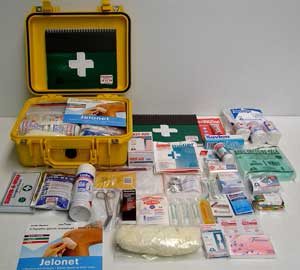
7 Trusted Injury Treatments That Are Dead Wrong Update your first-aid kit and learn which common treatments for burns, poisoning, excess bleeding, and other injuries can be dangerous to use in an emergency. Some of us have relied on an old wives’ tales if you get a burn rub butter on it. First-aid treatment has evolved, and many of our mothers’ remedies are no longer recommended. Take a look inside your first-aid kit: bandages, some gauze, painkillers, a tube of antibacterial cream, maybe iodine or hydrogen peroxide. We're all familiar with these tried-and-true solutions. Standard first-aid response may sometimes be the worst thing you can do in an emergency.
They may be tried, but they're not all true. “Many people still use their mother’s remedies, like putting peroxide on a wound,” says Michael VanRooyen, professor of emergency medicine at the Johns Hopkins School of Medicine. “This, and other remedies are very common, but wrong.” After years of research, experts are finding that your standard first-aid response may sometimes be the worst thing you can do in an emergency. Here’s how to update your first-aid kit.
The right way to treat burns
BURNS
Butter
You burn your hand—on the stove, an iron, or a hot plate. According to a popular old wives’ tale, you should spread some butter on the burn to ease the pain. But that isn't a good idea, says VanRooyen. “Butter was thought to coat the burn, but it can cause infection and create an environment for bacterial growth.”
Better Bet
Run the burn under cool water immediately to help remove the heat and put an end to the damaging process. “The water will also clean the area, decrease the risk of infection, and make it feel better,” says VanRooyen. Next, wrap the burn with sterile gauze or a non adhesive bandage, and keep it clean and dry. If blisters form, don't break them—the fluid inside is sterile, and it creates a natural bandage over the burn.
The right way to treat poisoning
POISONING
Syrup of Ipecac
When a child swallows anything that’s poisonous, parents probably think they are well prepared if ipecac syrup is on hand. Wrong, says the American Academy of Pediatrics and the American Academy of Clinical Toxicology. If you have ipecac in your house, get rid of it. For years, ipecac was thought to be a good way to treat a child who had swallowed a toxic substance, but not anymore.
Made from the root of a Brazilian plant, ipecac irritates the stomach to induce vomiting. But a recent study from the Cincinnati Children’s Hospital Medical Center found that ipecac doesn’t reduce ER visits or save lives. Maybe that’s because it doesn't always remove enough of the toxic substance from the body, says American College of Emergency Physicians spokesperson Charles Pattavina, an assistant professor of emergency medicine at Brown University Medical School. Ipecac can leave 40 to 50 percent of the toxin behind. It can also lead to excessive vomiting, a problem that may cause dehydration and prevent doctors from giving other treatments. Another risk: If the poisonous substance is caustic, like lye, it burns the esophagus when swallowed, and can burn it again when it comes back up.
Better Bet
Immediately call the national poison control hotline (800-222-1222), which will be answered by your local poison control center. (Paste the number on the back of your phone.) The experts will be able to tell you what, if anything, to do. If it’s a true emergency, they may send you directly to the ER. There the treatment of choice is often activated charcoal (AC), a very finely ground charcoal powder. When the tasteless powder is swallowed (often it’s mixed with soda), it can soak up the ingested substance like a sponge, preventing it from entering the bloodstream. The charcoal then passes through the digestive system and leaves the body.
It’s important to move quickly, since AC is best taken within an hour of ingesting the poison. Some poison control centers recommend having AC on hand (you may find it in drugstores), but stress that you should never use it without expert guidance. The poison control center will tell you if it’s necessary, and how much to use, which depends on the victim’s weight. Look for AC in powder form, or pre-mixed with water (called a slurry), not capsules—you’d need to swallow 50 of them to get the benefit, says Henry Spiller, director of the Kentucky Regional Poison Center.
The right way to treat excess bleeding
EXCESS BLEEDING
Tourniquets
Once upon a time, every well-trained Boy Scout in America learned how to stop bleeding with a tourniquet. But studies show this method causes more harm than good. “Only in the most dire circumstances would you want to put a tourniquet on somebody,” says Pattavina. Tourniquets can increase the risk of tissue damage or even the loss of a limb, and since there are other methods that can slow the blood flow—and preserve life—without the loss of the limb, tourniquets are out.
Better Bet
Apply direct pressure to the wound. This is what the Red Cross has always recommended and it’s the best solution, says VanRooyen. Simply place a clean cloth on the wound and press firmly; don’t remove the cloth, even if it gets saturated. If necessary, add more cloths right on top of the first. Applying direct pressure reduces blood flow to the wound. This should stop the bleeding and promote clotting, but still leaves blood circulating to the rest of the limb, says VanRooyen.
If that’s not enough, you can further slow the blood flow by applying pressure to the main artery of the upper arm or leg, depending on the site of the wound. You can learn about this procedure in a first-aid course or through the American Red Cross at
The right way to treat cuts and scrapes
CUTS AND SCRAPES
Hydrogen Peroxide, Iodine, Rubbing Alcohol, Mercurochrome
When the skin isn't broken, it’s hard to beat iodine for killing bacteria. That’s why doctors use it to clean an area before surgery. But when there’s a cut, says dermatologist Robert Kirsner, a spokesperson for the American Academy of Dermatology, full-strength iodine, hydrogen peroxide and rubbing alcohol can be toxic to skin cells, impeding healing. The chemical reaction (and bubbling) that occurs when hydrogen peroxide hits the skin isn’t only cleaning the wound—it’s killing healthy cells. And that stinging from the rubbing alcohol? This stuff hurts because it’s wiping out healthy tissue.
Putting iodine on cuts and wounds kills bacteria, says VanRooyen, but it won’t clean the wound. “You want to protect the good tissue, and iodine doesn’t do that.” Mercurochrome also kills bacteria, but as the name suggests, it contains mercury, which is toxic, and not generally recognized as safe, says the FDA. Today, doctors don’t use Mercurochrome.
Better Bet
Remarkably, cleansing a wound has become much simpler: “The most effective way to get rid of debris and bacteria without damaging healthy tissue is flushing the wound out with water,” says VanRooyen. Put the wound under a faucet, or spray it with the nozzle on the kitchen sink. Flush it with water to clear it of all debris. If you are worried about the bandage sticking to the wound, consider using an antibacterial ointment that contains bacitracin or neomycin to keep the area lubricated.

HEALTH BENEFITS OF CUCUMBER
DESCRIPTION
The cucumber is a type of melon and comes from the same family as watermelon, zucchini and other squash. It is cylindrical in shape with lengths of approximately 6 to 9 inches.
Its skin is very similar to watermelon, ranges from green to white. Inside, the flesh is pale green and very juicy.
The cucumber is a tropical plant but is also easily available in most part of the world. However, in some cultures, cucumber is more often used to make pickles, of which most of its nutrients would have been lost.
NUTRITIONAL BENEFITS
Cucumber has an impressive amount of water (about 96%) that is naturally distilled, which makes it superior to ordinary water. Its skin contains a high percentage of vitamin A, so should not be peeled off.
The cucumber contains alkaline-forming minerals and is an excellent source of vitamin C and A (anti-oxidants), folate, manganese, molybdenum, potassium, silica, sulfur, and lesser amounts of vitamin B complex, sodium, calcium, and phosphorus.
You have seen beauty practitioners use slices of cucumber on their eyes. It is found that the caffeic acid in this vegetable helps to prevent water retention and when applied topically, helps reduce puffy and swollen eyes.
HEALTH BENEFITS
Most people are unaware of the immense health benefits of cucumber and would avoid eating cucumber where possible. Fresh cucumber may taste “bland” to some but its thirst-quenching and cooling properties are refreshing. It acts as an anti-oxidant when taken together with fried and barbequed foods.
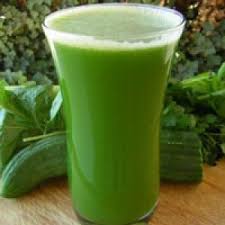
You can mix cucumber juice with carrot or orange juices.
Here’s a list of health benefits of cool cucumber:
Acidity: The alkalinity of the minerals in cucumber juice effectively helps in regulating the body’s blood pH, neutralizing acidity. The juice is also soothing for the treatment of gastric and duodenal ulcers.
Blood pressure: Like celery, this colorless drink can help regulate blood pressure because of its minerals and traces of sodium.
Connective tissues, building: The excellent source of silica contributes to the proper construction of connective tissues in our body as in the bones, muscles, cartilage, ligaments and tendons.
Cooling: During dry and hot weather, drink a glass of cucumber + celery juice. It wonderfully helps to normalize body temperature.
Diuretic: Cucumber juice is diuretic, encouraging waste removal through urination. This also helps in the dissolution of kidney stones.
Fever: The temperature regulating properties in cucumber juice makes it a suitable drink when you have a fever.
Inflammation: The Chinese think that cucumbers are too “cooling” and not suitable for people with rheumatism. But we know now that cucumber can help counter uric acids that are causing inflammation in joints. When cucumber is taken it does its cleaning work at the joints, thus stirring up pain as it eliminates the uric acid. This means it also help other inflamed conditions like arthritis, asthma, and gout.
Hair growth: The silicon and sulfur content in cucumber juice makes it especially helpful in promoting hair growth. Drink it mixed with carrot, lettuce or spinach juice.
Puffy eyes: Some people wake up in the morning with puffy eyes, probably due to too much water retention in the body (or having cried to sleep). To reduce the puffiness, lie down and put two slices of cucumber on the eyes for a good ten minutes.
Skin conditions: The high amount of vitamin C and anti-oxidants in cucumber makes it an important ingredient in many beauty creams for treating eczema, psoriasis, acne, etc.
Sunburn: When there is a sunburn, make cucumber juice and rub it on the affected area for a cooling and healing effect.
Water retention: It supplies the necessary electrolytes and restores hydration of the body cells, thus reducing water retention.
CONSUMPTION TIPS
Choose cucumbers that are dark green in color and firm to the touch. Avoid those that are yellowish or are wrinkled at either ends. Thinner cucumbers have fewer seeds than those that are thicker.
Store cucumbers in the fridge to retain its freshness. Cut cucumbers should be kept wrapped up or in an air-tight container and kept in the fridge. Consume within a day or two.
CAUTION
Where possible, buy organic as cucumbers may be waxed or have pesticides.
Anti-Diabetes Drink Avoid the rollercoaster ride of blood-sugar highs and lows
Anti-Diabetes Drink
[fusion_builder_container hundred_percent="yes" overflow="visible"][fusion_builder_row][fusion_builder_column type="1_1" background_position="left top" background_color="" border_size="" border_color="" border_style="solid" spacing="yes" background_image="" background_repeat="no-repeat" padding="" margin_top="0px" margin_bottom="0px" class="" id="" animation_type="" animation_speed="0.3" animation_direction="left" hide_on_mobile="no" center_content="no" min_height="none"][/fusion_builder_column][/fusion_builder_row][/fusion_builder_container]
6 Best Herbal Remedies For Stomach Cancer
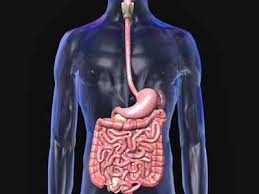
Stomach cancer, otherwise known as gastric cancer, is a condition in which tumors develop in the inner stomach lining. Elderly people and men are prone to stomach cancers. The most difficult part of having stomach cancer is its detection since it has either no or very common symptoms such as stomach discomfort.
Stomach cancer symptoms can be easily treated with herbal remedies, only with prior consultation with doctor. Here are some of the best herbal remedies for stomach cancer.
Herbal Remedies For Stomach Cancer
Garlic
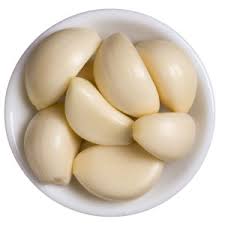
Garlic produces two important compounds containing sulfur – allicin and alliin – that contribute to the medicinal properties of this herb as well as its odor. It is these organosulfur compounds that inhibit the growth of cancer cells or tumors in the inner lining of stomach. Further, people who do not include garlic in their diet have been more prone to stomach cancer.
Besides garlic contains amazing antiviral and antibacterial properties that also improves the immune system. It is because of these properties that garlic forms a constituent of immune-boosting medications. Garlic is also available in enteric-coated capsules.Recommended dosage of garlic for treatment of stomach cancer is 900mg daily for about a month. People taking warfarin and other such anticoagulant medications should consult the doctor prior to including garlic in the diet.
Andrographis
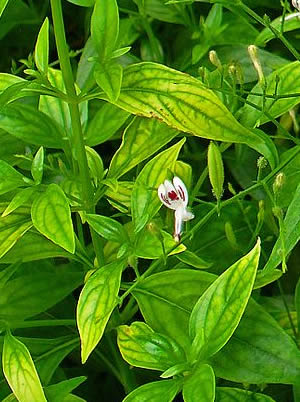
This particular herb, otherwise known as Andrographis paniculata, is native to India and China and is highly effective in fighting infections including AIDS and cancer. The amazing cancer-fighting properties of this herb inhibit multiplication of cancer cells. This herb facilitates signal transduction pathways thereby facilitating healthy cellular communication.
Healthy signal transduction helps in cellular metabolism, effective communication between intra-cellular receptor sites, and cell division. Such pathways prevent any interference in cell cycle that may lead to development of infections and cancer. Recommended dosage of this herb for treatment of stomach cancer is 200mg daily.
Green Tea
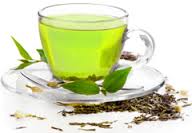
Derived from Camellia Sinensis plant, green tea has come to limelight off late for curing as well as preventing various diseases and disorders including stomach cancer. It has amazing anticancer properties because of the presence two eminent antioxidant compounds – catechins and polyphenols.These compounds prevent cancer development at the first instance. More specifically, green tea contains a chief cancer-preventing component called EGCG (epigallocatechin-3-gallate).
Green Tea & Turmeric
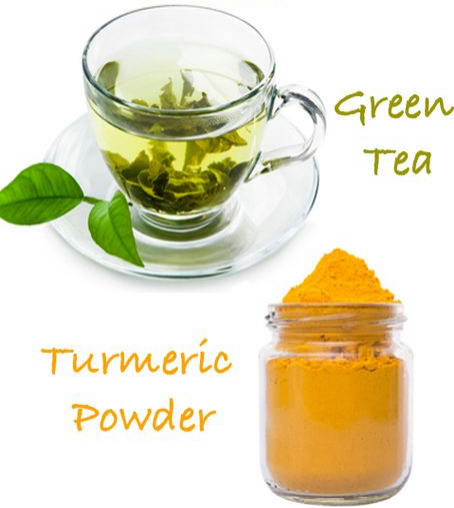
Green tea is useful for the treatment of stomach cancer. It has anticancer properties and contains antioxidants that are helpful for fighting against stomach cancer. Turmeric is useful for the patients suffering from stomach cancer. It has antiseptic and healing properties. It is helpful in eliminating a number of diseases. It can be consumed in large amount by adding it in the food to be cooked.
Maitake Mushroom
This particular variety of mushroom is native to Japan, more specifically the northeastern Japan. Extract of maitake mushroom substantially reduces stress and boosts the overall immune system. That is to way, it enhances the body’s innate capability to fight cancer-causing factors.It is easily available in maitake D-fraction form. Recommended dosage of maitake extract is 5g for treating stomach cancer. However, patients suffering from multiple sclerosis should avoid its use.

Indian Gooseberry
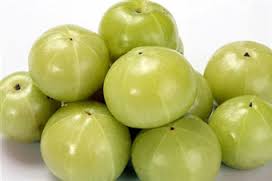
Locally known as amla, Indian gooseberry has been in use since ancient times as a remedy for various diseases. It exhibits wonderful cancer preventive properties. It inhibits multiplication of cancerous cells in the stomach’s lining.It is easily available in the form of powder, pills, tea, and tincture. Amla is to be taken at least up to 4 months to see proven results against stomach cancer.
Asian Ginseng
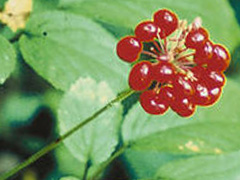
Native to China, this particular herb has been in use since ancient times as a remedy for various diseases. The root of Asian Ginseng, which is used as a medicine, contains active phytoestrogen compounds such as ginsenosides that inhibit growth of cancerous cells. These compounds also shrink tumors.
Please note you should talk with your health care provider about your options.
Here are twenty herbs that just might help fight against cancer.
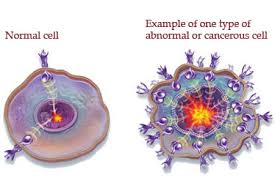
Twenty herbs that can help fight against cancer
1 ASTRAGALUS (Huang Qi): A Chinese herb; an immune system booster, known to stimulate body´s natural production of interferon. It also helps the immune system identify rogue cells. Work with the herb in both cancer and AIDS cases has been encouraging. The MD Anderson Cancer Centre in Texas conducted research showing that taking Astragalus when having Radiotherapy doubled survival times.
2 BERBERIS FAMILY (e.g. Podophyllum peltanum):Slow active purgative. Research has shown these herbs to have a strong action against cancer and they have been used with many cancers, especially Ovarian cancer. In Cancer Watch March 2015, the herb was shown in research to outperform brain cancer drug, Temozolomide in vitro.
3 BLOODROOT (Sanguinaria canadensis): Research shows consistent anti-neoplastic activity. It has been shown to be effective against cancer tumours, and can shrink them; it is one of the herbs in an anti-cancer poultice called Black Salve; and has proven useful with sarcomas.
4 BUTCHERS BROOM (Ruscus aculeatus): The active ingredients of this herb has been found to be the ruscogenins which have tumour-shrinking and anti-oestrogenic abilities. Thus its use in the treatment of breast cancer.
5 CAT´S CLAW (Uncaria tormentosa): An adaptogen and powerful immuno-stimulant, it enhances the white cells clean up process (phagocytosis). It is an excellent companion to astragalus, curcumin and echinacea. Research indicates it can reduce tumour size, particularly with skin cancers. It also helps reduce the side-effects of chemo and radiotherapy.
6 CHAPARRAL (Larrea mexicana): Cancer Watch covered a major research study from the US which heaped praise on this herb. It appears to boost the immune system, stop metastases and reduce tumour size. Seems especially interesting with breast cancer and is another ingredient in Black Salve. It is also an anti-oxidant and anti-microbial, with low toxicity.
7 CURCUMIN (Turmeric): This spice (Curcuma longa or Turmeric root) has been shown to have significant anti-microbial and anti-inflammatory activity. That alone seems enough for certain hospitals in America to consider using it in the treatment of polyps and colon cancer. However new research shows that it can both shrink cancer tumours and inhibit blood supply growth to tumours. It is a powerful antioxidant with liver protective benefits, and outperformed several anti-inflammatory drugs without side-effects in research.
8 DANG SHEN ROOT (Codonopsis pilosula): increases both the white blood cell and red blood cell levels, so can be extremely helpful to patients having chemotherapy and radiotherapy, or to patients whose cancer diminishes levels of either.
ECHINACEA: Another known immune system booster, it gained a populist reputation in treating colds. There is research on its helpfulness with brain tumours apart from its abilities to increase the levels of certain immune white cells in the body.
10 FEVERFEW: This herb caused a storm when research from Rochester University in New York showed it to be more effective than the drug cytarabine in killing leukaemia cells. The US Food and Drug Agency put the active ingredient, parthenolide, on to its fast track programme. Nothing has yet been heard. But then, the FDA has never approved a herb for use as a cancer treatment.
11 GOLDENSEAL: One cause of stomach cancer can be the bacterium Helicobacter pylori. This burrows into the mucous lining of the stomach to hide from gastric acids, and then causes irritation, acid reflux, ulcers and even cancer. Goldenseal is generally anti-microbial and is used in the Caribbean and South East Asia against parasites. Goldenseal, helped by the mineral Bismuth, will kill Helicobacter pylori. Vets seem to know this, even if doctors don´t.
12 MILK THISTLE: Known for years to be helpful to the liver, this herb has now been shown to be capable of protecting the liver during chemotherapy. Research in America showed that leukaemia patients who took milk thistle had reduced liver toxicity and chemo side-effects. There is a little evidence that it has its own anti-cancer activity too.
13 PAU D´ARCO: This tree bark was original thought to be a strong anti-cancer agent, but then its actions were clarified as strongly anti-bacterial, anti-yeast and anti-microbial. That alone might be enough in some cases of cancer cause. But new research on the differing ingredients has shown the quinoids possess immune strengthening abilities and seem to help in cases of blood and lymph cancers.
14 RED CLOVER: Research from a number of cancer centres including the Royal Marsden has shown its potential as a part of a treatment programme against oestrogen-driven cancers, from breast to prostate. One active ingredient in the so-called Herb of Hippocrates is the anti-oestrogen Genistein, which Professor Powles formerly of the Royal Marsden dubbed ´the anti-oestrogen´.
15 SHEEP´S SORRELL: Used in Essiac and other herbal remedies, it is a cleanser and aids healthy tissue regeneration. There is some suggestion from research that it helps normalise damaged cells and tissue. It is also a highly praised ´vermifuge´ - intestinal worms have little or no resistance to this herb.
16 SKULLCAP (Scutellaria barbata): Research has shown action against many cancer types, for example against cancers of the lung, stomach and intestines.
17 SUTHERLANDIA (Cancer Bush): Peer reviewed research studies indicate that this herb is anti-inflammatory, anti-viral and anti-fungal. It boosts the immune system and inhibits Tumour Necrosis Factor, known to drive wasting in cancer patients.
18 THOROWAX, or HARES EAR (Bulpleurum scorzoneraefolium): Research has shown its ability to enhance the production of natural interferon and it seems especially useful in bone cancer
19 WHEATGRASS: One of the top private hospitals in South East Asia extols the benefits of freshly juiced wheatgrass. One shot gives you the chlorophyll of some 12 or more kilograms of broccoli. It acts as a blood purifier, and liver and kidney cleansing agent. In research, after two weeks of daily use, blood and tissue oxygen levels improve, as does circulation.
20 WORMWOOD: Another Chinese Herb, this has outperformed certain anti-malaria drugs and is now used by the aid agencies. It is strongly anti-microbial and anti-yeast and can be used as an effective part of an anti-candida diet. Also certain cancer treatments cause excesses of yeasts to form (for example, in Leukaemia treatment) threatening the patients health further. Excess yeasts are even felt by some cancer experts to be one of the causes of cancer. However, in recent research Wormwood has been shown to have direct anti-cancer properties.
HEALTH WARNING!
Please be clear, no one is saying these herbs are not without any side-effects. Equally they may conflict with some drugs. The important point is that herbalist are still discovering many of their benefits, albeit very slowly, because individual local herbalists just do not have the funds to conduct large scale clinical trials like the drugs companies do. You should seriously consider the usefulness of herbs as a part of your integrative cancer-fighting programme. They just might make a serious difference to your health. But please make sure you go to an expert medical herbalist for clear and informed advice.
Raw Honey Benefits !
Raw Honey Benefits
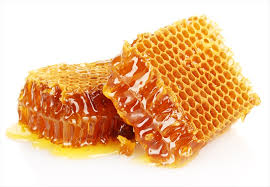
Nearly everyone knows what honey is, but very few know what raw honey is, and even fewer know what the raw honey benefits are. Raw honey is honey in its purest form. Raw honey is never micron filtered or heated above natural hive temperatures. One of the major benefits of raw honey is that it’s nature’s own multivitamin. Raw honey is a natural source of vitamin B1, B2, B3, B5, B6, and even antioxidant-rich vitamin C. It also contains minerals like magnesium, potassium, calcium, sodium chlorine, sulphur, and phosphate.
So what is the difference between raw honey and the honey that can be purchased at the local supermarket? And if there are so many raw honey benefits, whys is not all honey raw honey?
Nearly all honey purchased at the big box store is heated to some degree, filtered, and/or even pasteurized. Filtering honey with a micron filter will yield honey that has no air bubbles, has no particulate matter in suspension, and thus will be perfectly clear. The particles we are referring to are nearly always pollen, since almost all wax can be removed with a fine screen. The reason for removing large particles is that these can act as “seed crystals” for honey crystallization to occur. Thus, filtering can help prevent crystallization on the store shelf. Honey stored at room temperature will crystallize over time, but the process can be reversed without detriment to the product by heating the honey to as little as 98F degrees.
To filter honey, it must be heated so it becomes less viscous and easier to pump through the filter. The higher the temperature to less viscous the honey becomes. But heating honey comes at a price. Heating honey to as little as 115F degrees will cause dramatic changes to occur. Pasteurization of honey requires it to be heated to as high as 160 degrees for a period of time, then cooled rapidly.
Honey and high heat do not get along very well. It has been found that excessive heat can have detrimental effects on the nutritional value of honey. Heating up to 37 °C (98.6 °F) causes loss of nearly 200 components, some of which are antibacterial. Heating up to 40 °C (104 °F) destroys invertase, an important enzyme. At 50 °C (122 °F), the honey sugars caramelize and it turns from a light color to an increasingly darker color as the temperature rises.
When honey is excessively heated, micron filtered, and/or pasteurized, nearly all the beneficial components of honey are removed. One of the most important components of honey is pollen. Micron filtering heated honey removes all the pollen from the end product, thus removing nearly all of its nutritional benefits. Heat destroys the natural enzymes, vitamins, and proteins in honey. Filtering and processing eliminates many of the beneficial phytonutrients including pollen and enzyme-rich propolis and the pollen that has been denatured by the heating process.
Scientific proof that micron filtered honey removes pollen was found in a study by the Palynology Research Laboratory at Texas A&M University. In the study, 60 honey products from supermarkets and grocery stores were tested and it was found that 76% contained no trace of pollen. This means that the vast majority of the honeys sold at big box grocery stores have no nutritional benefits.
Ironically, the USDA encourages honey packers to filter their honey. They even give higher grades to honey that is clear and pollen free. Interestingly enough, despite the USDA encouraging the ultra filtering of honey, the FDA specifies that honey needs to contain pollen to be considered honey.
One of the problems with honey that contains no pollen is that it is impossible to verify its quality, content, or origin without highly specialized equipment. It is common for foreign producers or exporters/importers to cut honey with various types of sugar syrups. Since the USDA prefers filtered honey, it is difficult to detect that the honey has been altered since it never contained any pollen. So it is highly possible that honey purchased at the big box grocery store, or given to customers at a restaurant, is not even real honey since its origin and purity cannot be verified without highly specialized equipment.
Here are five raw honey benefits:
Raw Honey Benefits #1: Raw Honey has been shown to be an Anti-Bacterial, Anti-Viral, and Anti-Fungal substance. In this respect, it can be very beneficial to your immune system and may assist in a wide variety of common ailments.
Raw Honey Benefits #2: Aids stomach and digestion
In digestive disturbances honey is of great value. Honey does not ferment in the stomach because, being an inverted sugar, it is easily absorbed and there is no danger of a bacterial invasion. The flavor of honey excites the appetite and helps digestion. The propoma of the ancients, made of honey, was a popular appetizer.
Raw Honey Benefits #3: For healing ulcers and burns
Many years ago, a study by Robert Bloomfield, published in the Journal of the American Medical Association, reports “Applied every 2 to 3 days under a dry dressing, honey promotes healing of ulcers and burns better than any other local application. It can also be applied to other surface wounds, including cuts and abrasions…”
Raw Honey Benefits #4: Honey has anti-cancer properties.
Recent studies by Gribel and Pashinskii indicated that honey possessed moderate antitumor and pronounced anti-metastatic effects in five different strains of rat and mouse tumors. Furthermore, honey potentiated the antitumor activity of chemotherapeutic drugs such as 5-fluorouracil and cyclophosphamide.
– Gribel, N.V., and Pashinskii, V.G. Antitumor properties of honey. Vopr. Onkol., 36:704-709, 1990.
C.V. Rao at the American Health Foundation in Valhalla, New York found caffeic acids in propolis are inhibitors of colon cancers in animals. Other research shows hive products have the ability to prevent and halt the spread of malignant diseases. Earlier research by M.T. Huang also published in Cancer Research found caffeic acids effective in inhibiting skin cancer tumors in mice.
Raw Honey Benefits #5: A Spoonful a Day Keeps Free Radicals at Bay
2 “Types” of Killer Corn You Should Avoid and 1 Type You Should Enjoy

Do you love corn? The sweet and crunchy taste of a fresh ear of corn dripping in butter and dappled with real salt is something that few people can resist. Perhaps you have been told that corn is bad for you – it raises your blood sugar or it is all genetically modified and should be avoided like the plague. While some things you hear about corn may be true, there is a lot of misinformation circulating about this ancient food.
Corn (Zea mays), also known as maize, has been an honored and food staple for over 7000 years. The Ancient Mayan, Aztec and Incan people used it for food, shelter, fuel and even decoration. Corn has and continues to play an integral role in Native American cultures and is, of course, a favorite summertime treat that many of us look forward to each year.
Classifying corn correctly
The botanical definition tells us that corn is a fruit along with tomatoes, green peppers, cucumbers and squash. However, corn seed is also referred to as a vegetable because it is harvested for eating as well as a grain because it is a dry seed of a species of grass. Some even refer to it as a vegetable grain.
When we unpack corn we see that it is a monocotyledon – containing only one seed leaf like a grass. Other grains such as wheat, oats and barley, are also monocots. Technically, a grain is defined as the harvested dry seeds of fruit or cereal grasses. Since field corn is harvested when the seeds are dry – it is known as a grain.
Because sweet corn is grown with the purpose of being eaten as a tender vegetable and is harvested before maturity, it is often thought of as a vegetable. Vegetables are defined as a plant that is grown for some edible part such as roots, stems, leaves, flowers or seeds/fruit. Although we could say that all cereal grains are vegetables – we separate them from other vegetables because they are dry.
Varieties of corn
The earliest varieties of corn were red, yellow, white and black. Today, we are basically limited to white and yellow. While white corn is super sweet, yellow has more nutrient value in the form of carotenoids.
Nutrient profile and health benefits
Corn is an excellent source of dietary fiber, loaded with vitamins B1, B5, vitamin C, folate, phosphorus and manganese. One ear of corn (½ cup) has about 75 calories and 2 grams of protein.
Recent research has found that yellow corn contains powerful phytonutrients. In fact, although the phytonutrients in corn are bound, not free like in other vegetables, when total antioxidant activity was measured in corn compared to other fruits and vegetables, corn kept pace. Researchers feel that this may explain why cultures that consume a fiber-rich diet containing a great deal of corn, have a low risk of colon cancer.
Lung Health: The carotenoid, beta-cryptoxanthin found in yellow corn may promote lung health. The results of seven studies showed that the more beta-cryptoxanthin in the diet, the less risk of developing lung cancer.
Heart Health: The folate and B vitamins in corn help lower levels of homocysteine, an amino acid in the blood that causes damage to blood vessels. The dietary fiber in corn also helps promote healthy blood cholesterol.
Energy Production: Yellow corn contains two B vitamins, thiamin and pantothenic acid which are essential to energy production. Thiamin helps convert sugar into energy and pantothenic acid is necessary for the metabolism of carbohydrates, protein and lipids. B vitamins help support the body in times of stress.
Other Benefits: Corn contains the carotenoids lutein and zeaxanthin that are known to lessen the risk of age-related vision loss due to oxidative damage to the retina. The phenolic compound ferulic acid is effective in killing tumors found in liver and breast cancer.
What about the sugar in corn?
A lot of people stay clear from corn because they are afraid that the natural sugars will wreak havoc on their blood sugar. The truth is that an ear of corn has about the same number of calories as an apple and about one-fourth the amount of sugar. If you are on a highly strict, no-sugar diet, corn may not be the ideal choice, however, when consumed in moderation, it can be a valuable source of nutrients and energy.
Not all corn is good corn or beneficial for the body. Here are 2 “types” of corn that you will definitely want to avoid.
Killer GMO corn
A lot of people mix up “sweet corn” with “field corn” – the latter being a very inedible commodity crop used to make livestock feed, ethanol and high-fructose corn syrup. Prior to 2012, consumers did not have to worry about sweet corn being genetically modified, however, Monsanto changed all of that.In the summer of 2012, they introduced huge quantities of GMO sweet corn in the grocery stores and it even appeared on roadside stands.
GMO sweet corn is resistant to herbicides and can produce its own insecticide. This killer corn is now found fresh at your grocery store and farmers markets all over the country – and is also used in frozen and canned corn products. Because manufacturers are not obligated to inform consumers of the genetically modified corn in products, it makes it very hard to choose wisely. The Non-GMO Project Verified sweet corn list is a useful tool to help you make the right choice. If you can’t find any of these verified products the best bet is to eat Certified Organic corn as Certified Organic farmers are not permitted to plant GMO seed.
Killer high fructose corn syrup
High fructose corn syrup was first invented in the 1960′s and began to be heavily produced in the 1970′s, shortly after the USDA ended controls on wheat, soy and corn production. This change in policy encouraged farmers to grow as much of these crops as possible. And to matters worse, the new policy came with hefty subsidies to farmers who would grow these crops.
Since 1995, over $19 billion in subsidies has gone to crops that are used to produce nutritionally void products such corn sweeteners, corn starch and soy oils. In comparison, no subsidies have been paid for fruit or vegetable farmers who are growing healthy and nutritious crops.
Over 40% of the non-calorie sweeteners used in the United States are made from high fructose corn syrup. Drinks containing high fructose corn syrup have decreased almost 25% in price since 1985 while the price of wholesome vegetables and fruits has gone up almost 40%. What kind of message is this sending to consumers?
Right along with the increase in high fructose corn syrup use, the average American consumes 600 more calories per day than they did in 1970. Calories derived from fruit and vegetables are 100% more expensive than those derived from products made with high fructose corn syrup. This, along with the fragile economy, does not make it any easier for families to make wise food choices.
High fructose corn syrup is used to sweeten most processed foods. In fact, high fructose corn syrup is present in foods that would not normally be thought of as sweet foods, such as salad dressing, mayonnaise, soup and numerous other products. High fructose corn syrup is also found in many drinks, such as soda, coffee drinks, high energy drinks and even some fruit drinks.
Consumption of high-fructose corn syrup causes body-wide inflammation and obesity. In high doses it can literally punch holes in the intestinal lining allowing nasty byproducts of toxic gut bacteria into your system resulting in obesity, diabetes, cancer, heart disease, dementia and accelerated aging. In addition, high fructose corn syrup contains contaminants, like mercury, that are not regulated by the FDA and are highly toxic.
Action Items: Choose your corn wisely; avoid GMO corn and high fructose corn syrup but don’t be afraid to enjoy a tasty ear or two of Certified Organic sweet corn this summer!
11 Amazing Benefits of Lemon Water
Lemons are packed with nutrients, including vitamin C, B-complex vitamins, calcium, iron, magnesium, potassium, and fiber. (Fun fact: they contain more potassium than apples or grapes!)Read more
Looking to detox? Find out which detox diet is right for you.
Daily life produces toxins — there’s no way around that. We’re exposed to extreme amounts of toxins from air pollution, household chemicals, over-the-counter and prescription drugs, processed foods and other things. The body has mechanisms for eliminating toxins, such as breathing, sweating, urinating and bowel movements, but sometimes it needs a little bit of help.
That help can come in the form of a detox diet or whole body cleanse. A detox or cleanse will make you feel cleaner, clearer and lighter. It can also jump-start a weight-loss program, help you transition between seasons, regulate digestion and help you identify food allergies or trigger foods. In fact, a detox serves a powerful purpose, Detoxification is a process to help people heal!
Here are five detox diets to try. Remember that a detox diet is not long-term healthy diets. And always check with your physician before beginning any diet, especially if you have any health conditions.
1. Simple Fruit and Veggie Detox
Best used for: A quick cleanse of your system; a good beginning detox.
Length: 2-3 days
Clark likes this option because it’s relatively easy to do. The idea is to give your body a break from processed foods, dairy and animal products. Processed foods — so prevalent in the American diet — can be full of toxins and chemicals, and it’s a good experiment to see how it feels to avoid them for a few days. Animal products have protein and fat. Although both are essential nutrients, they create more work for your digestive tract, so it makes sense to avoid them while trying to cleanse. You can eat your fruits and veggies raw or cooked, but avoid additives like butter or sugar.
2. Smoothie Cleanse
Best used for: Smoothies provide nourishment during a detox, feeding the cells and tissues well while the body rests the digestive process.
Length: 1 week
This diet consists of fresh fruit and vegetable smoothies made in a blender. It’s actually a very versatile diet, because you can make any number of combinations, and even add protein powder, which is especially important if you have higher caloric needs (such as if you’re an athlete) basic smoothie formula is 1 cup of fruit juice or milk (preferably nondairy, such as rice milk or almond milk) and 1 cup of fruit, either fresh or frozen. In addition to protein powder, you could add things like ground flaxseed, wheat germ, vitamin C or other supplements.
3. Juice Cleanse
Best used for: A deep cleanse that speeds up the rate of toxin clearing; not recommended for people with high caloric needs.
Length: 3-5 days
A deeper cleanse, the juice detox is ideal for people who want to jump-start a weight-loss program. Drinking only nutrient-rich fruit and vegetable juices and vegetable broths can feel surprisingly energizing. An added bonus to this program is that if you’re sick, the nutrients from juice are quickly absorbed and help speed the body’s natural healing process. You can use bottled juices, but its best to use a juicer to make fresh juices and create various concoctions (like carrot, celery and lemon). You can also supplement with vegetable soup, or even add a few solid fruits and vegetables to help deal with your hunger. Note: This diet isn’t for meant for active people, so be sure to take it easy while doing it so that your caloric needs aren’t as high.
4. Sugar Detox
Best used for: Abstaining from sugar for a while can help break your sugar addiction. As a result, you’ll consume much less of the sweet stuff and have more energy throughout the day. You’ll also lose weight more easily.
Length: Varies
Cutting out sugar can be very hard emotionally. But it can be an excellent experiment, especially if you feel you have grown too dependent on sugar, which can compromise your body’s ability to fight illness, fill you up with empty calories and leave you feeling sluggish. Giving yourself a set amount of time to avoid white sugar, candy and baked goods. Watch for hidden sugars in things like ketchup, salad dressings, lunchmeat and soups, too. Opt instead for fruits (fresh, frozen or unsweetened dried), nuts, beans, whole grains, vegetables and lean proteins. Try it for a few days or a few months, and notice if you feel different.
5. The Hypoallergenic Detox
Best used for: Targeting food allergies and sensitivities.
Length: 1 week to start
Most people aren’t aware that some physical symptoms, such as gastrointestinal problems, hives, swelling, itching and yeast infections, to name a few, may be tied to what they eat. The idea behind this detox program is to take a break from certain foods and see what happens. Wheat, dairy, soy, sugar, peanuts, corn and eggs are referred to as the sensitive seven. Cutting them out for a week, and then slowly reintroducing each to determine your reaction to them.
More detox tips:
- Detox in the spring, summer and fall, when more fresh produce is available. Winter is not generally a good time for detoxing because your body is working on rebuilding, rather than cleansing.
- Take time to engage in activities that feel cleansing and purifying. Detoxing is a great time to stay home and do things like clean your closet.
- Get ample rest when you detox. Keep up with gentle exercise like pilates, but be careful of strenuous exercise because you want your body to focus on cleansing.
- Expect that you might not feel very well while on your detox diet, because the toxins are making their way out of the body. But you will feel better after.
- Keep yourself well hydrated while detoxing, because water naturally flushes toxins.
- Beware of any detox diet that requires you to invest in pricey supplements. Cleansing is a natural body function. It doesn’t require a lot of expensive supplements to work.
- After your detox diet is over, gradually ease back into your normal (or healthier-than-normal) diet.
- Never do any kind of fast without first talking to your nutritionist, health adviser or doctor.

